The Customer Said “Data Cannot Leave the Country.” Do Not Draw the Local Deployment Yet.
A cross-border SaaS business-development lead should separate storage, processing, logs, backups, and model calls, then use pilot timing and ownership questions to decide whether local deployment deserves technical discovery.
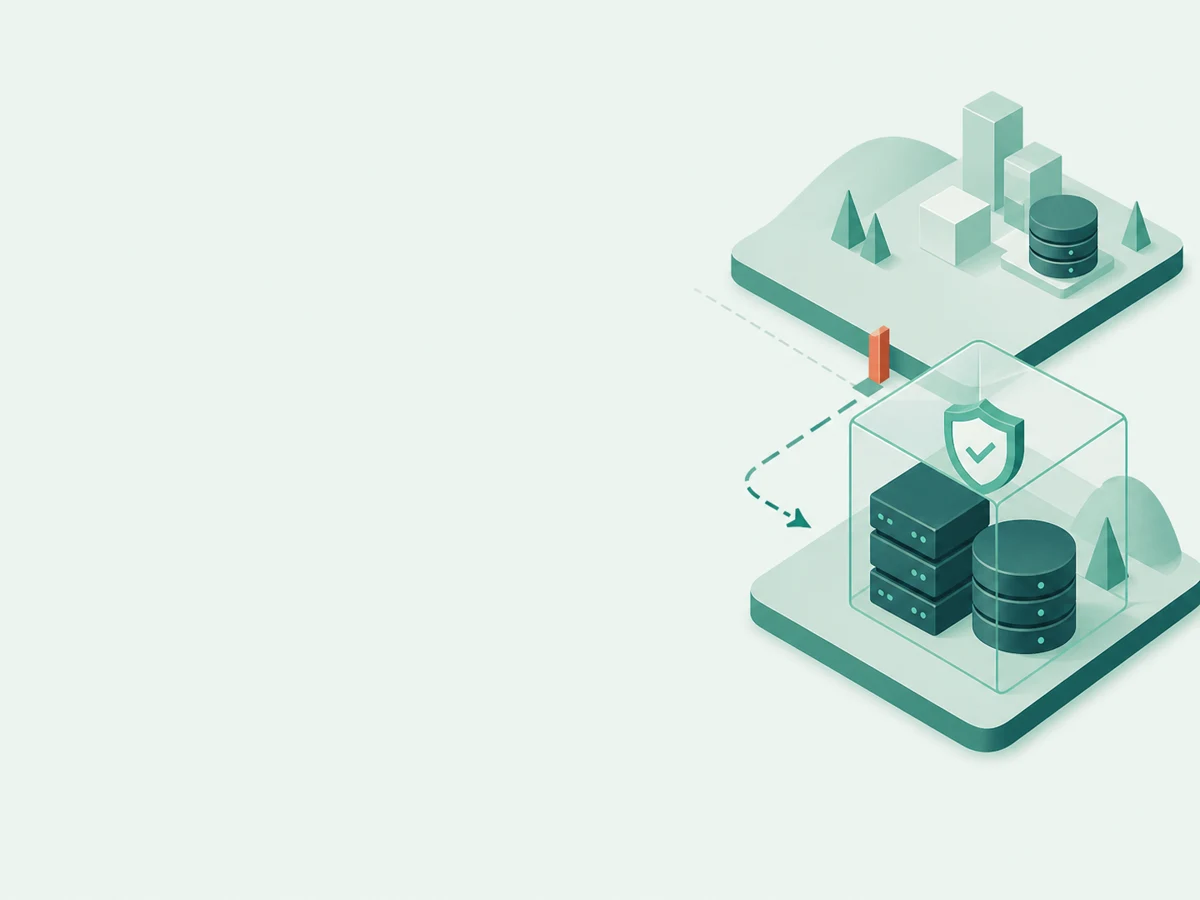
Workflow / architecture · Representative workflowThis page documents a representative operating model for this type of work. It does not describe a named customer, live product-operation record, testimonial, contract, revenue result, or verified conversion.
Signals to watch
- The residency request begins to distinguish storage, processing, logs, backups, or model calls
- Discussion includes a concrete pilot or market-entry activity rather than a general policy question
- The team asks about deployment boundaries, updates, and operating ownership
- Customer entity, basis, data classification, budget, and environment still require human verification
A business-development lead at a cross-border SaaS provider sees this in a Southeast Asian product group: “The customer says the data must remain local and wants to test next month. Our model API leaves the region—how do people handle this?” An API is the interface through which systems call functionality or exchange data. The post does not identify the customer entity, country, data type, pilot scope, or whether “leaves” refers to request content, logs, or backups.
The lead routinely watches Telegram regional SaaS founder, product-implementation, and enterprise AI deployment groups they are authorized to access. The desired Signal is a market-entry project blocked by a data boundary and moving toward a pilot. Seeing it a day late can allow the pilot architecture to be based on someone else’s assumptions, leaving sales to enter only after the data flow and candidate approach have been fixed.
“Remain local” may describe at least five paths
Data residency generally concerns the country or region in which data is stored, but one group message can collapse several paths: where the business database sits, where application processing occurs, where operating logs are written, where backups are replicated, and whether model calls send content to another region.
Those paths can require different approaches. Local database storage does not necessarily mean all computation must remain local. Keeping model requests in-country does not automatically define monitoring logs and backups. “The customer requires it” could derive from a contract term, internal security policy, or an interpretation of regulation; sales cannot determine the legal basis from the post.
The first verification should not recommend private deployment, a dedicated cloud, or regional hosting. Start with a blank data-flow map: what data originates where, what processing it passes through, where it ends, and which nodes are explicitly prohibited from crossing a boundary. Anything not stated in the source remains blank.
A pilot date matters only when responsibility questions follow
“Test next month” supplies time but does not establish procurement. Later questions that move closer to implementation sound different: “Who applies version updates?” “Where do we inspect logs after changing the model endpoint?” “Does our team or the local partner handle incidents?” These fragments begin to allocate deployment and operating responsibility.
Real discussion spreads conditions across replies. One person asks about the model API. A later post mentions the pilot environment. Another may add only that the customer’s security team has not defined scope. This is still not a complete project brief. It is enough to show that the problem has moved from a general policy question toward architecture and ownership discovery.
If the poster is compiling a market report, or the claimed pilot has no customer, timing, or internal owner, priority should fall. A date cannot substitute for implementation activity.
Keep cross-group fragments attached to their own sources and unknowns
A user can deliberately select relevant groups they are authorized to access in TOP Prospect and create discovery rules around data residency, local deployment, regional model calls, pilots, and operating ownership. The system filters matching discussion, collapses clear same-source forwards, and retains original messages, group source, time, context, AI summary, reasoning, and priority as a candidate Signal awaiting human review.
The BD lead opens the evidence and checks whether later replies actually continue the same problem. “Data cannot leave the country” appearing in two groups does not automatically create one customer project. Fragments belong in the same boundary record only when source and context support the connection. A score arranges review order; it does not verify the customer, compliance requirement, or buying intent, and the product does not contact the poster.
A person may move the record among new, follow-up, and invalid states. That change records team handling; it does not change any external fact.
Presales should receive a boundary map, not a prewritten solution
When the candidate deserves further verification, the BD lead should hand presales knowns and unknowns:
- Known paths: which data, region, and external call the source explicitly mentions.
- Pilot activity: who raised the pilot, what it aims to test, and whether the timing remains current.
- Ownership gaps: who handles deployment, upgrades, monitoring, backups, and incidents.
- Still unverified: customer entity, basis, data classification, current environment, budget, and authority.
If the data path cannot be described, continue verification rather than quote. If the path, pilot, and ownership questions align, schedule technical discovery. If the discussion proves general, end the opportunity hypothesis.
The real questions behind the model API are what content leaves, why it cannot leave, and which boundary the pilot is meant to test. A data-residency request becomes a sales opportunity not when “cannot leave” appears, but when a team begins making decisions about a specific data flow and its operating ownership.
How a Signal worth attention is found
See how Top Prospect finds and organizes Signals worth checking, keeps the original Telegram context, removes duplicates, and helps you decide what to review first. You decide whether to follow up and what to do next.