How Do You Follow Up With B2B Key Accounts? Identifying and Nurturing High-Value "Lurkers" in Telegram Groups
The people shouting "any recommendations?" in a group are usually price shoppers or peers. Genuine high-ticket key accounts never say "buy" directly. This article lays out how to spot the high-value "lurkers" in Telegram groups who only output and never ask, and how to use a three-step "give before you get" long-term nurturing method to trade the anxiety of instant conversion for long-term professional companionship.

Signals to watch
- An ID that does not ask for help, but answers someone else's question with specific business numbers
- A remark that unintentionally reveals real business scale or underlying technical detail beyond an ordinary asker's level
- The same ID steadily outputting professional insight in a group over time, suitable for observation as a behavior file across time
- Group discussion of carrier risk control or compliance policy — industry and technology trends
For many B2B sales reps, BD teams, and cross-border business leads, the most exciting moment of the day in a Telegram group is seeing someone post “any recommendations?”, “does anyone know a reliable one?”, or “need a contact urgently”.
But if you are searching for “how to follow up with B2B key accounts” or “Web3 project business negotiation”, this article may overturn an assumption you have been holding.
The brutal reality is this: the people shouting “any recommendations?” in a group are usually small and mid-sized customers, price shoppers, or even peers fishing for your solution. Genuine high-ticket key accounts (KA) — a top cross-border seller, a large Web3 project, a well-known AI app founder — never say “buy” directly in a group.
They lurk for a long time and watch quietly. If you are still using the “see a need, send a DM” instant-response model, you will never catch these real big fish.
Core Logic: Why Key Accounts Are All “Lurkers”
In the context of cross-border B2B, key accounts have long decision chains and a high cost of trial and error. When they choose a supplier, they do not look at who replies fastest in the group — they look at who best understands the industry and who is the most professional.
So the behavior pattern of key accounts in a group is completely different from that of small and mid-sized customers:
- Small and mid-sized customers: they throw out a question and seek an instant answer (“is there a cheap API?”).
- Key accounts: they do not ask for help — they output. When someone else asks a question, they give an extremely professional, dimension-reducing answer; or, when the group discusses an industry trend, they offer a deeply technical insight.
They are not looking for a supplier. They are screening for fellow travelers.

Scenario Walkthrough: How Do You Spot a High-Value “Lurker” in a Group?
To make the point, here are two representative composite scenarios that could occur in a group (not real customer quotes):
Scenario A (a typical small or mid-sized customer / price shopper):
“Guys, Brazil OTP verification has been failing way too often lately. Any cheap and reliable routes to recommend? DM me.” Analysis: the need is explicit but shallow. This is usually an execution layer or a small team looking for an instant solution — a good fit for a standard product.
Scenario B (a high-value “lurker” / potential KA):
(replying while someone else complains about the high Brazil OTP failure rate, User X says) “Telkomsel and Vivo changed their risk-control strategy in Brazil recently. Just switching routes will not help. You need to check the localization of your SMS template, and I would stretch the retry interval from 3 seconds to 15 seconds to dodge their rate limits. When we ran the LATAM market, tuning that logic brought our conversion rate back to 35%.” Analysis:
- Does not ask, only outputs: he never states his own need, yet while answering someone else’s question he reveals his real business scale and technical depth — running the LATAM market, with a 35% conversion rate.
- Extremely professional: he names specific carriers (Telkomsel, Vivo) and the underlying logic (the retry mechanism). No beginner could write that.
For scenario B, a junior BD might DM User X directly: “Hey, you clearly know your stuff — want to try our routes?” That will most likely be ignored, or get him blocked.
Long-Term Nurturing Strategy: Give before you get
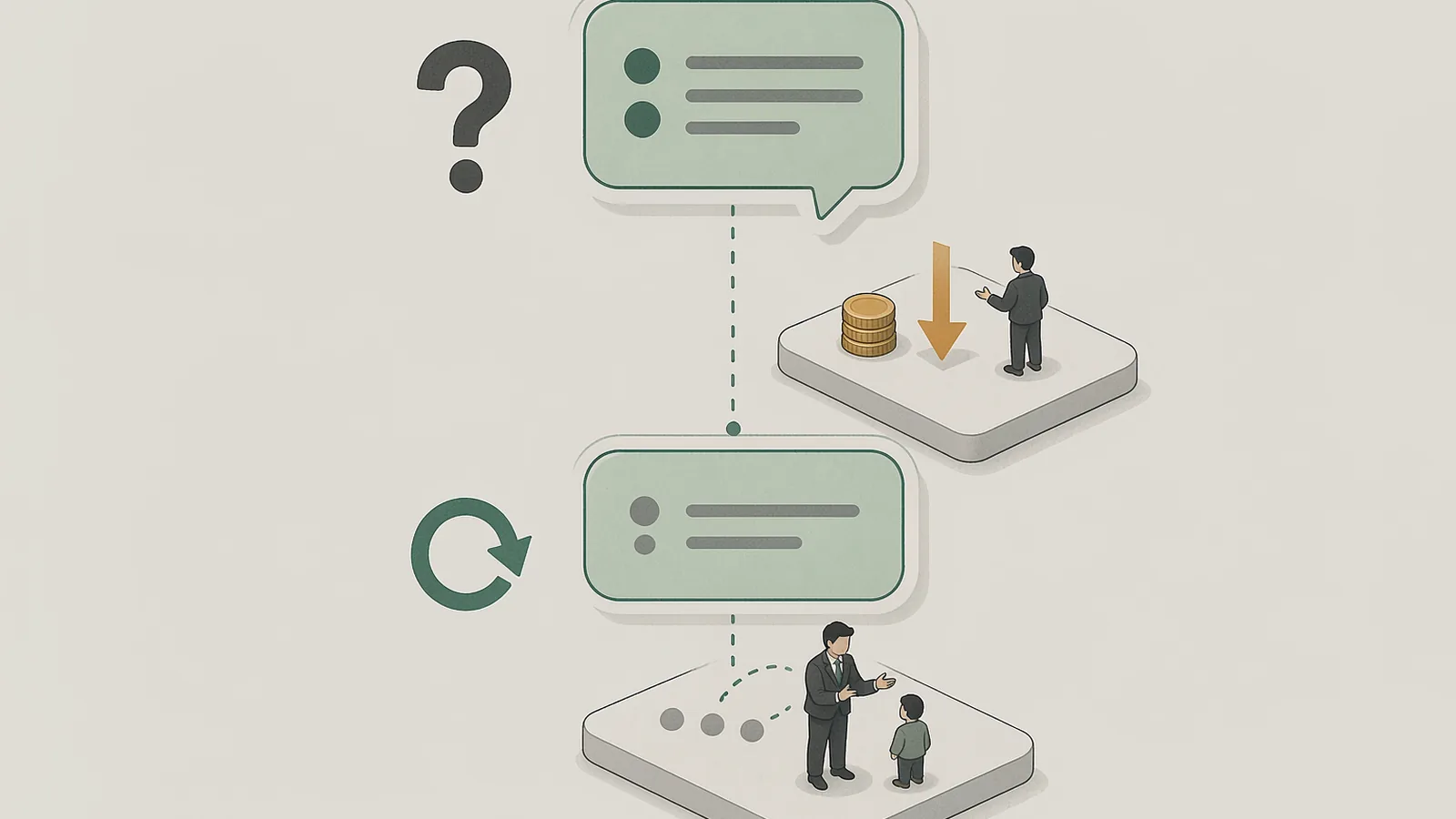
With a high-value lurker, the traditional sales pitch is useless. What you need is long-term nurturing, whose core principle is to provide value first, then build the connection.
Step 1: “Resonate in the group” (do not DM) When User X posts that professional reply, you can respond publicly in the group and add a related professional point (for example: “I agree with what Mr. X said — and localized Sender ID registration in Brazil is also key; ANATEL has been auditing it strictly lately.”). This step is not about selling. It is about making him notice that you are also a professional who knows the field.
Step 2: Offer “non-sales” value Do not rush to DM. Wait a week or two; if your company happens to publish a “2026 LATAM Market OTP Conversion Optimization Whitepaper”, or you put together a set of anonymized data on the latest Brazilian carrier risk-control rules, you can DM User X:
“Hi Mr. X — I saw in the group earlier that you know LATAM OTP risk control well. We recently did an internal review and put together some anonymized data on the latest Brazilian carrier risk-control rules; it might be useful for your business, so I am sending it over. No need to reply — wishing you a smooth quarter.”
Step 3: Wait for the moment, then land the hit After sending the material, stop following up immediately. Do not ask “do you want to buy?”. A key account needs time to observe you. When, a few months later, his business really hits a bottleneck, or his current supplier drops the ball, the first person that comes to mind is you — the one who “knows the field, does not pester, and once sent useful material”.
Efficiency: How Do You Build a Long-Term File on a High-Value ID?
The reasoning is all clear, but execution runs into a practical problem: human memory is limited.
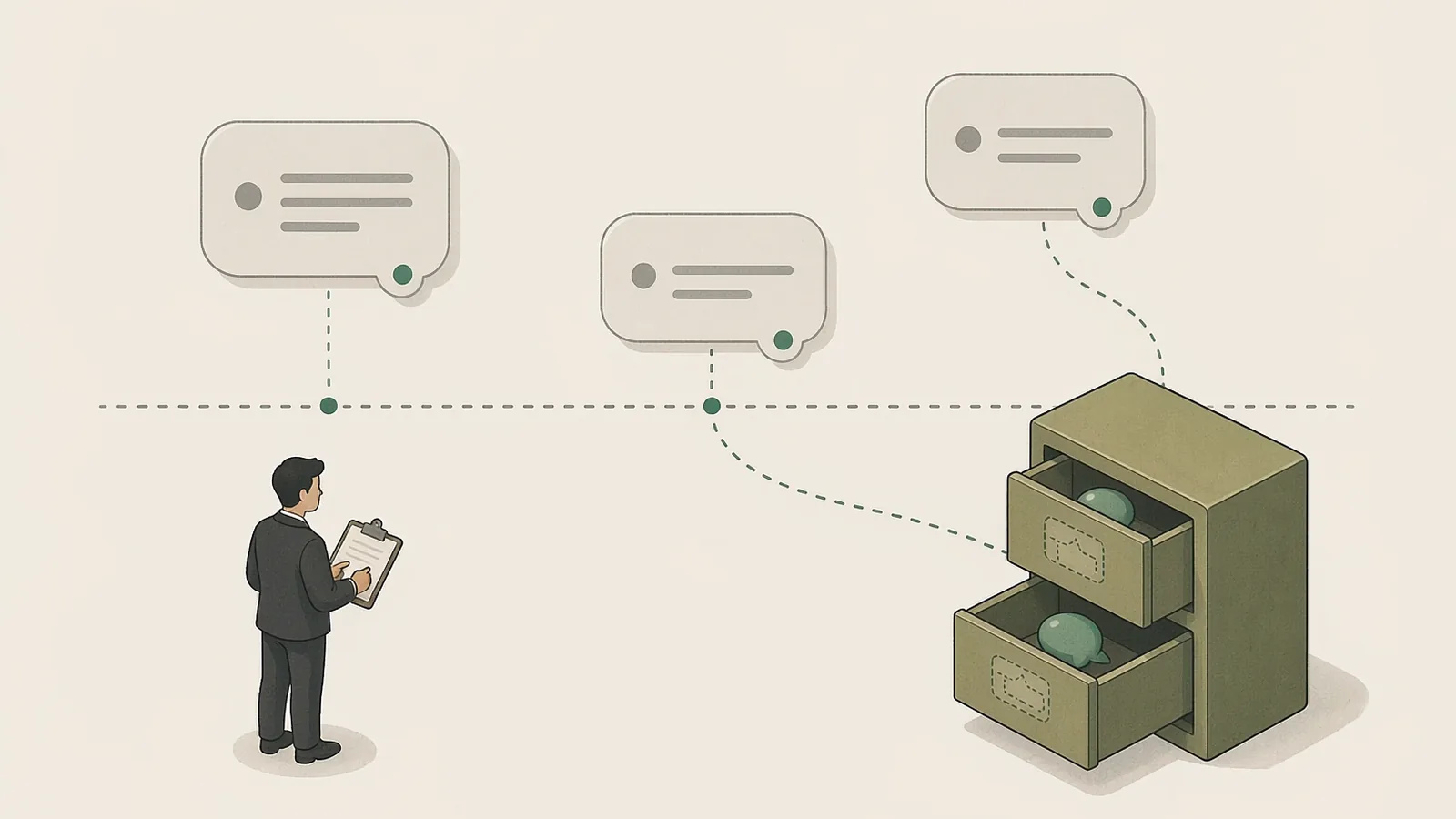
Messages flood through a Telegram group at high speed. Today you see User X’s brilliant remark and decide he is a key account. But three months later, when you want to DM him with material, you have long forgotten who he was, which group he was in, and exactly which technical pain point he discussed. Scrolling back through the chat history, you cannot find the context from months ago at all.
That is why many mature cross-border teams upgrade Top Prospect from “instant lead filtering” to “long-term tracking of high-value IDs”.
Its role remains restrained and professional: once you actively connect your own Telegram account and select the groups you are authorized to access, then besides monitoring keywords you can also add specific high-value IDs (such as User X) to a tracking list in Top Prospect.
When this ID speaks in a group — whether asking, answering, or just chatting — Top Prospect extracts the original message, source group, and surrounding context in full for the BD and settles it into that ID’s dedicated file.
It will not DM customers for you automatically, nor will it automatically judge whether someone is a key account. It simply helps you build a behavior file that spans time.
A few months later, when you decide to break the ice with User X, you can open Top Prospect and quickly review every technical pain point and business direction he has followed in the group over the past six months. The “tailored material” you send will hit his need precisely, greatly raising the success rate of long-term nurturing.
FAQ: Following Up With B2B Key Accounts and Long-Term Nurturing
Q1: In a Telegram group, how do I tell whether a “lurker” is really a key account? A: Look at output quality and business detail. If he only speaks in generalities, he may be an armchair pundit. If his remarks unintentionally reveal real business scale (such as daily order volume or a specific country’s conversion rate), deep technical detail (such as underlying logic or risk-control strategy), and he can answer other people’s questions clearly and logically, then he is very likely a key account who has been in the field.
Q2: I DM a key account some material and get no reply. What then? A: That is normal. The core of long-term nurturing is not expecting an instant return. No reply means he does not need it right now, or he is observing you. Do not chase with “did you get it?”. Stay professional; a month or two later, when he discusses a related topic in the group again, interact professionally in the group again, or share a new piece of industry insight. Trust is built through sustained professional output.
Q3: Can Top Prospect automatically analyze whether a given ID is a key account? A: No. Top Prospect’s core value is high-fidelity capture and preservation of a specific ID’s long-term message context. It will not make a subjective identity judgment for you. Real customer-profile analysis, value assessment, and the timing of the icebreaker must be done by your team, by hand, based on the long-term behavioral trail collected.
Q4: Besides tracking a specific ID, what other long-term nurturing work can Top Prospect help me do? A: You can use Top Prospect to track specific “industry technology topics” or “competitor moves”. When a high-value ID discusses these topics in a group, the system records it for you. This helps you build a three-dimensional “customer cognition map”, so that months later in a business negotiation you understand his past technology choices better than he does himself.
Final Thoughts
On the battlefield of cross-border B2B, the logic for quick money is “fishing for leads”; the logic for big money is “raising customers”.
Key accounts never say “buy” directly in a Telegram group because they are looking for a professional partner who truly understands them. Stop disturbing them the way you pitch small and mid-sized customers.
Build your long-term nurturing mechanism and pay attention to the “lurkers” who quietly output value in the group. When you turn the anxiety of “instant conversion” into long-term “professional companionship”, you will not only win key accounts — you will build an extremely high industry barrier.
Frequently asked questions
In a Telegram group, how do I tell whether a "lurker" is really a key account?
Look at output quality and business detail. If he only speaks in generalities, he may be an armchair pundit. If his remarks unintentionally reveal real business scale (such as daily order volume or a specific country's conversion rate), deep technical detail (such as underlying logic or risk-control strategy), and he can answer other people's questions clearly and logically, then he is very likely a key account who has been in the field.
I DM a key account some material and get no reply. What then?
That is normal. The core of long-term nurturing is not expecting an instant return. No reply means he does not need it right now, or he is observing you. Do not chase with "did you get it?". Stay professional; a month or two later, when he discusses a related topic in the group again, interact professionally in the group again, or share a new piece of industry insight. Trust is built through sustained professional output.
Can Top Prospect automatically analyze whether a given ID is a key account?
No. Top Prospect's core value is high-fidelity capture and preservation of a specific ID's long-term message context. It will not make a subjective identity judgment for you. Real customer-profile analysis, value assessment, and the timing of the icebreaker must be done by your team, by hand, based on the long-term behavioral trail collected.
Besides tracking a specific ID, what other long-term nurturing work can Top Prospect help me do?
You can use Top Prospect to track specific industry technology topics or competitor moves. When a high-value ID discusses these topics in a group, the system records it for you. This helps you build a three-dimensional customer cognition map, so that months later in a business negotiation you understand his past technology choices better than he does himself.
This article is human-authored. TOP Prospect processes only Telegram groups the user has explicitly authorized and connected. Its output supports human sales judgement; it does not replace human decisions and does not automatically contact or message group members.
How a Signal worth attention is found
See how Top Prospect finds and organizes Signals worth checking, keeps the original Telegram context, removes duplicates, and helps you decide what to review first. You decide whether to follow up and what to do next.